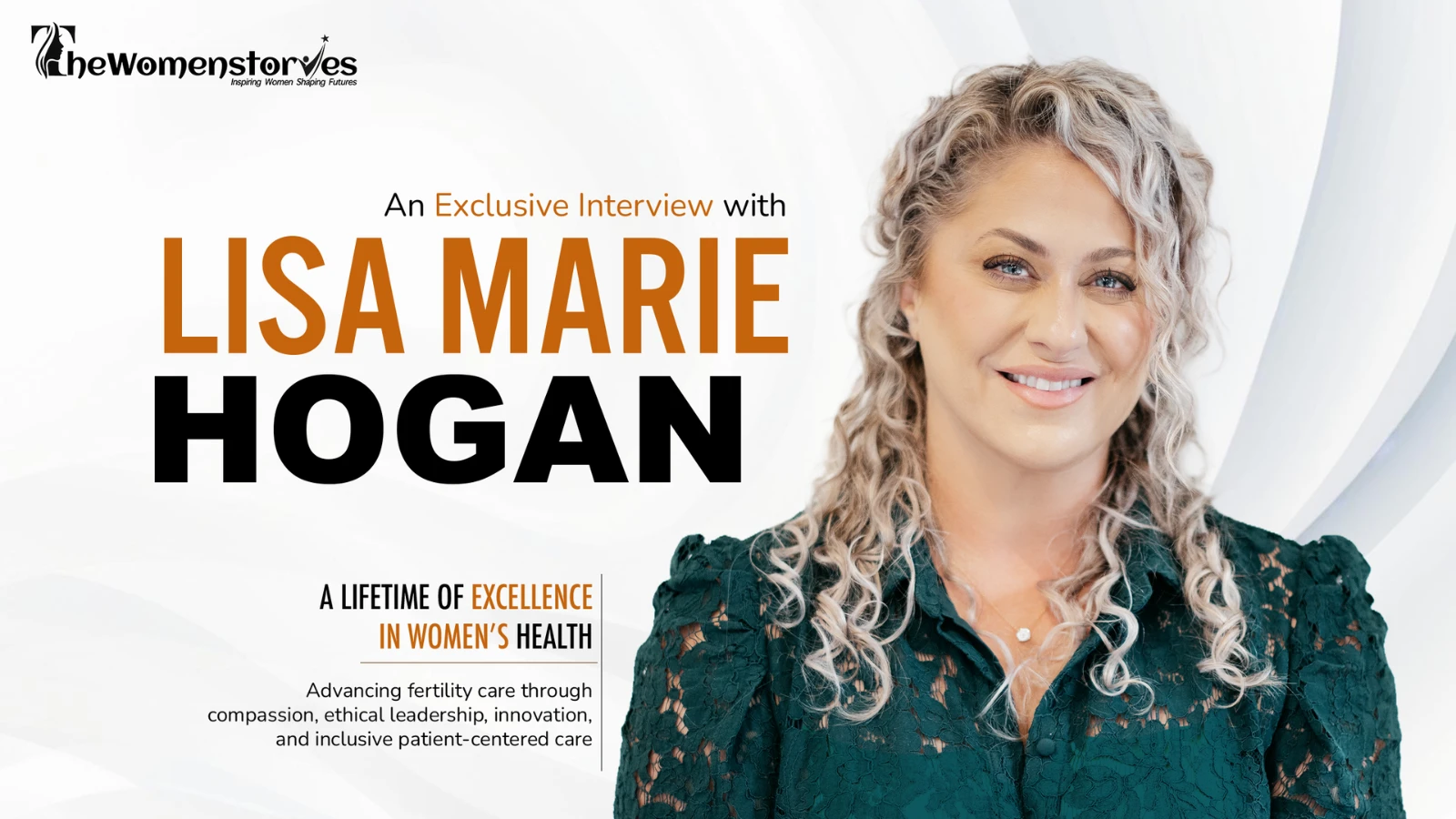
Some careers are not simply chosen; they are shaped by purpose, compassion, and a deep commitment to serving others at life’s most meaningful moments. For Lisa Marie Hogan, the journey into women’s health began with an early connection to caregiving and gradually evolved into a lifelong mission centered on advocacy, empathy, and inclusive care.
As a dedicated healthcare professional in women’s health and third-party reproduction, Lisa’s work reflects the powerful balance of clinical excellence and human connection. From supporting patients at the bedside to helping individuals and families navigate the emotional and complex world of fertility and family building, her journey highlights the importance of trust, transparency, and compassionate leadership.
Featured under the theme “Powerful Women Leaders Making a Difference,” Lisa Marie Hogan’s story offers an inspiring look at how purpose-driven leadership can create meaningful change in healthcare. Read the full article to explore her experiences, insights, and vision for a more inclusive, ethical, and patient-centered future.
A Purpose Rooted in Early Inspiration
Lisa Marie Hogan grew up with three sisters, and from an early age, she felt a strong pull toward advocacy and caregiving. When she was about 10 years old, she came across one of her mom’s old nursing textbooks. Her mother had started a nursing program but wasn’t able to complete it after becoming pregnant with her twin sisters, raising four children under the age of four shifted her path. Still, she kept those books, and discovering them became a defining moment that sparked Lisa’s interest in healthcare.
That early curiosity turned into action when she began volunteering as a student in a local OB/GYN office. Supporting pregnant patients and witnessing such a pivotal time in their lives solidified her path, she became fully dedicated to becoming a labour and delivery nurse.
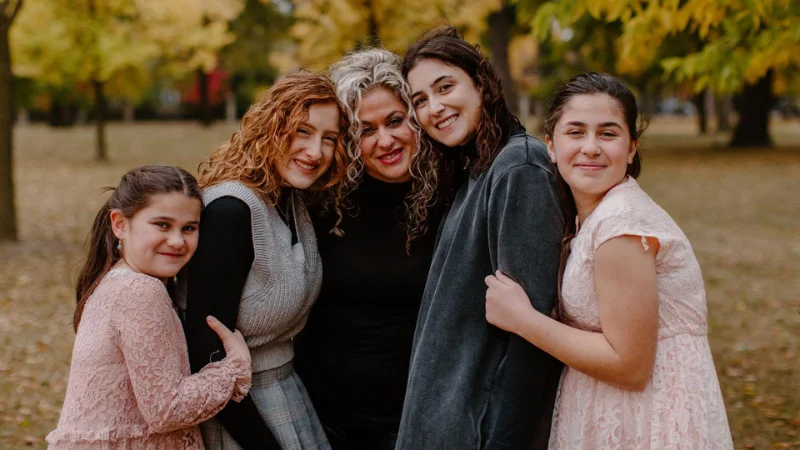
Over time, that purpose has only deepened. She is now a mother of four daughters, 25, 22, 16, and 14, and that perspective has added an even greater sense of meaning to the work she does. At this point, the connection feels undeniable; she reflects that she would have to be blind to the signs not to recognize that this path has always been part of her purpose. What began as a childhood spark has evolved into a lifelong commitment to advocating for and caring for women at every stage of their journey.
Redefining Empathy Through Human Connection
Third-party reproduction has shown her just how complex, emotional, and deeply meaningful the desire to build a family can be. It has reshaped her understanding of empathy, teaching her that it’s not simply about understanding someone’s circumstances, but about truly honoring their vulnerability without assumption or judgment.
These journeys often involve multiple individuals, perspectives, and cultural considerations, each bringing their own hopes, expectations, and fears. In many cases, there are also cultural barriers and societal stigmas that make it difficult for individuals and families to seek or receive support, especially when third-party reproduction is their only pathway to building a family. Navigating these challenges requires not only clinical expertise, but also deep listening, humility, and genuine respect for every unique story.
What she has come to appreciate most is that human connection in this work is built on trust and transparency. It’s about being able to sit with people in both hope and uncertainty, offering support without trying to control the outcome. That balance has profoundly shaped how she connects with patients and reminds her every day of the responsibility and privilege of being part of their journey.

Leadership Shaped by Experience and Humility
From a clinical lens, there are a few key experiences that have shaped her approach to leadership. Her first job in healthcare was actually in the kitchen at a local hospital. She took the role because she thought it would look good on a résumé as she worked toward a nursing position. What she didn’t expect was how much it would shape her perspective. It taught her that providing meaningful patient care is truly a team effort, every role, no matter how behind-the-scenes it may seem, contributes to the patient and family experience. When everyone is aligned and takes pride in their work, it has a direct impact on the quality of care and the environment they create.
Her time as a full-time bedside nurse further grounded that perspective. It gave her a deep understanding of the realities frontline teams face, the emotional weight, competing priorities, and the resilience required to show up every day for others. That experience continues to influence how she leads.
She believes humility is essential in leadership. She would never ask someone to do something she’s not willing to do herself. Leading with empathy, respect, and a genuine understanding of the work builds trust and strengthens teams. Ultimately, her approach to leadership is rooted in collaboration, accountability, and recognizing that every individual has the ability to make a meaningful difference in someone’s day.
Navigating Complexity in Program Expansion
One of the key challenges in building and expanding programs in third-party reproduction is navigating the complex regulatory landscape. When working with ova and sperm donors, as well as surrogates, it’s essential to adhere to federal regulations within one’s own country while also understanding the legal and ethical frameworks in other regions. Many intended parents travel internationally to achieve their family-building goals, which adds another layer of complexity in ensuring compliance, continuity of care, and patient safety.
Establishing trusted, accredited partnerships across the globe is critical, but it requires careful alignment with experienced fertility lawyers, reputable agencies, and established support groups. Organizations such as Men Having Babies (MHB) and Irish Gay Dads (IGD) play an important role in this ecosystem, as they hold themselves and their affiliates accountable to ethical standards and provide guidance for intended parents, donors, and surrogates. Aligning with experienced professionals and advocacy organizations helps ensure that access to third-party reproduction is not only scalable, but also ethical, transparent, and safe.
Another significant challenge is expanding clinic capacity in a responsible way. Third-party reproduction requires highly specialized training, and developing that expertise takes time. Balancing growth with quality, ensuring teams are properly trained while maintaining exceptional, patient-centered care, is an ongoing and delicate process.
Having the capacity to continuously re-evaluate processes and thoughtfully review patient concerns, as well as trends in errors and adverse events, requires experienced and well-supported team members, particularly in an industry that is rapidly growing and evolving. Sustaining this level of oversight while scaling is both a challenge and a necessity to ensure safety, quality, and accountability remain at the center of care.
She is grateful for the support of Dr. Cliff Librach and the shared vision at CReATe Fertility Centre. Having leadership that values autonomy, encourages innovation, and actively works to remove barriers to growth has been instrumental in enabling meaningful progress. This kind of environment allows the team to focus on strengthening processes, advancing care, and ensuring that expansion never comes at the expense of patient safety or quality.
Championing Inclusion in Healthcare
Inclusion in healthcare means creating a system where every individual has fair and meaningful access to care, regardless of identity, circumstance, or background. It involves actively removing barriers related to cost, geography, legal recognition, and systemic inequities that can limit access to care or delay timely support. CReATe Fertility Toronto, has removed barriers related to testing and cycling for remote patients as part of their commitment to excellence.
In the context of women’s health and third-party reproduction, inclusion also means recognizing and respecting the full diversity of family-building journeys. My pilot program focuses on community and physician outreach that includes supporting individuals with accessible education and transparent guidance so they can make informed choices, as well as placing greater emphasis on preventative, early education and baseline testing to help people understand their reproductive health and the potential future impact of current decisions related to family planning. This includes options for fertility preservation via egg freezing with trusted safe clinic providers like Ovassure. A holistic program that incorporates teaching, counseling, testing and financial options as a standard of care.
Equally important is creating a sense of normalcy and acceptance around egg donation, surrogacy, and other third-party reproductive options, for intended parents, egg donors, surrogates, and children born through these pathways. Reducing stigma and fostering openness helps ensure that all individuals involved feel respected, validated, and supported.
Ultimately, inclusion is about fairness in both principle and practice, ensuring care is guided by respect, equity, and informed choice, rather than limited by who someone is, where they live, or what resources they have.
The Need for Industry-Wide Ethical Alignment
One of the most important conversations the industry still needs to have is around the standardization of egg donation and surrogacy practices to ensure consistency in ethics, safety, and accountability. While regulations for fertility clinics using third-party reproduction methods came into effect in 2019, the broader ecosystem itself is not regulated and continues to operate within a fragmented framework that is determined agency to agency.
In particular, agency partners are not formally regulated, even though many operate within agency-specific standards and established ethical guidelines. Organizations such as the SEEDS Ethics Committee provide important guidance and best-practice frameworks for ethical conduct among affiliates. However, there is no formal mechanism in place to enforce adherence to these standards across the industry.
In Canada, there is not yet a comparable national organization, which is why SEEDS is often referenced as a preferred ethical benchmark. Strengthening alignment between clinics, agencies, legal partners, and support organizations, and moving toward more consistent oversight, would help ensure that third-party reproduction continues to evolve in a way that is transparent, ethical, and safe for all parties involved, including intended parents, donors, surrogates, and future children.
Balancing Complex Human Journeys
Some of the most defining and challenging moments in her journey have centered around ensuring that patients remain at the forefront of every decision-making process, while also navigating the delicate balance of supporting all parties involved in a third-party reproduction journey.
In these cases, there are often multiple individuals connected to the process in different and deeply personal ways. The egg or sperm donor may be the genetic contributor to the embryo but is not the intended parent. The surrogate experiences the physical and emotional realities of pregnancy, but without the intention of parenting the child. The intended parents may or may not have a genetic or gestational connection, yet carry the full emotional weight and anticipation of becoming parents.
Supporting the medical and emotional needs of each of these individuals simultaneously is complex and requires a high level of emotional intelligence, compassion, and neutrality. One of the most challenging aspects is ensuring that each person feels seen, respected, and supported, while keeping the focus on safe, ethical, and patient-centered care throughout the entire journey.
Where Compassion Meets Operational Excellence
If she were to summarize her approach:
“I uphold the highest standards of safety, regulation, and clinical excellence, while ensuring every individual feels informed, respected, and supported throughout their journey.”
In third-party reproduction nursing teams, it is important to balance operational excellence and compassion by ensuring strict adherence to complex and evolving regulations, both locally and internationally, while translating those requirements into clear, supportive guidance for patients, donors, and surrogates. She prioritizes inclusive, person-centered care, particularly for LGBTQ+ families, and acts as a consistent advocate throughout a highly emotional and multifaceted journey. Strong systems allow her to deliver safe, coordinated care, while her focus on empathy and communication ensures that each person feels respected and supported.
Ensuring patients have access to services that are out of scope for frontline workers is also highly important. Aligning with trusted professionals such as social workers (Yellow Brick Road), lawyers, agency partners, and access to a community network such as “Growing My Family” ensures a holistic approach.
Regulatory bodies exist to ensure safety and best practices for patients and to improve organizational culture and safety within the workplace. Remaining compliant and current with regulations actually helps achieve the goal of compassion and excellence.
Driven by Purpose and Future Generations
What continues to motivate her at this stage of her career is both her professional experience and her personal perspective as a mother of four daughters. She does not have to look far to see how important early fertility awareness is, because she sees it reflected in their lives and the choices their generation is navigating.
As a women’s health and fertility awareness advocate, she is driven by the gap between what is known clinically and what young women are actually taught. There are real factors, like delayed childbearing, cost of living, and extended education, that influence when women may choose to start a family. At the same time, there are conditions like premature ovarian insufficiency that are often diagnosed too late, and a natural decline in fertility that is not always well understood.
What motivates her is the opportunity to bridge that gap, to help women understand their baseline fertility earlier, to increase awareness of fertility preservation options, and to ensure they feel informed rather than surprised by their reproductive health.
Professionally, she sees the impact of late awareness. Personally, she wants something different for the next generation. That combination is what drives her passion, advocacy, and commitment to compassionate, proactive care.
Redefining Success Beyond Achievements
She defines success as something much broader than personal achievement. While it is important to find fulfillment in the work she does, success for her is really about the impact she has on others.
Working in a field she is passionate about is part of that, but more importantly, it is knowing that she can make a difference in someone’s life, even when the outcome is not what they had hoped for. Providing support, guidance, and compassion during those moments still matters deeply.
Success is also reflected in the people around her. Seeing her team grow, build confidence, and develop a genuine passion for their work is incredibly meaningful. It tells her that she is contributing to something larger than herself.
She also sees success as continuous growth, being open to learning from challenges or failures and using those experiences to improve. For her, success is not a fixed endpoint; it is about ongoing learning, supporting others, and finding purpose in the work she does every day.
Building a Meaningful Legacy in Healthcare
When she thinks about the legacy she would like to leave in healthcare, she considers both system-level change and the human experience within it, particularly through the lens of third-party reproduction.
One of the most meaningful impacts she would hope to contribute to is the development of a national ova donor and embryo donation database. This would help ensure that donor-conceived individuals have access to important information related to their identity, as well as critical updates about medical history over time. It supports not only personal identity, but also long-term health and safety.
She is also passionate about helping shift the perception of what defines a family. In her work, she sees every day that parenting goes far beyond genetics, it is about nurturing, guiding, and supporting a life. She hopes to contribute to a broader understanding and acceptance of that in healthcare and society.
Finally, a key part of her legacy would be improving access to early detection and preventative education in fertility. There are significant gaps in awareness, and she would want to help ensure that individuals have equitable access to the information and resources they need to make informed decisions earlier in life.
Ultimately, she hopes to leave behind a system that is safer, more transparent, more inclusive, and more proactive, one that supports both the science of reproduction and the people at the center of it.
Guidance for Future Healthcare Professionals
Healthcare is fundamentally a service-based profession, and she believes it is important to always keep perspective centered on the patient. Every decision, action, and interaction should reflect that focus.
As nurses, they are often the conduit between patients and every aspect of their care. That means truly listening, understanding not just what is being said, but what is needed, so the right multidisciplinary supports can be brought in to provide holistic care.
She also encourages future healthcare professionals to stay open to opportunities. If something feels right, they should not be afraid to lean into it, even if it is outside their comfort zone. Growth often comes from those moments.
At the same time, she advises not to feel rushed to become an “expert.” Expertise develops over time through experience, reflection, and continuous learning.
Most importantly, she emphasizes always treating each person as a whole individual, not just a diagnosis. Every patient comes with their own story, context, and needs, and recognizing that is what truly defines compassionate, effective care.
A Message That Matters
If she could share one message with the world, it would be that humility is a gift, time is the most valuable currency we have, and each of us has the power to create meaningful change, one person at a time.
She believes that the way people show up, how they treat others, and the time they invest in people’s lives can have a lasting impact far beyond what may ever be seen.
Conclusion
Lisa Marie Hogan’s journey is a powerful reflection of what it truly means to lead with both expertise and empathy. Her work in women’s health and third-party reproduction goes beyond clinical excellence, it is rooted in a deep commitment to supporting individuals and families through some of the most personal and transformative moments of their lives. Through her approach, she continues to set a standard for compassionate, inclusive, and ethically grounded care.
What makes her story especially meaningful is her ability to balance innovation with integrity, growth with responsibility, and leadership with humility. Whether it is advocating for greater awareness, improving access to care, or shaping more transparent and supportive systems, her contributions are helping redefine what patient-centered healthcare can look like in today’s world.
As part of our “Powerful Women Leaders Making a Difference” series, Lisa’s journey serves as both an inspiration and a reminder that meaningful impact is created not only through professional achievements, but through the lives we touch along the way. Her vision for a more informed, inclusive, and compassionate future continues to leave a lasting imprint on the healthcare space and beyond.
More Features:-