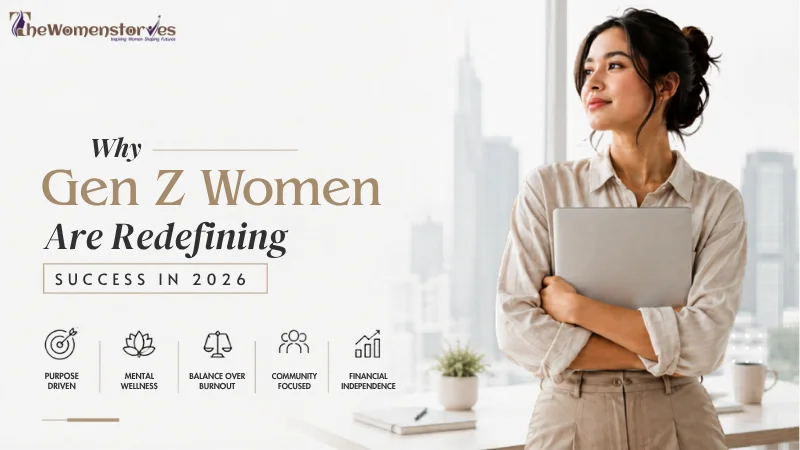

A deeper exploration of why more women are redefining career paths and building independent ventures in today’s evolving professional landscape
Over the past decade, a quiet but powerful shift has been taking place across global workforces.
An increasing number of women are moving away from traditional corporate careers and stepping into entrepreneurship not as a fallback option, but as a deliberate and strategic choice. This transition reflects a broader re-evaluation of what professional success means in a modern context.
For years, corporate roles were positioned as the most reliable path to career growth. Structured hierarchies, stable income, and clearly defined progression made them attractive for professionals seeking long-term security. However, as workplace dynamics evolve and personal priorities shift, many women are questioning whether this model continues to meet their expectations.
Entrepreneurship, once considered uncertain and high-risk, is now emerging as a viable and, in many cases, more aligned alternative.
Reassessing the Corporate Experience
The corporate environment has undergone significant changes, but certain structural limitations remain.
Many women find themselves navigating systems that, despite improvements, still present challenges in areas such as advancement, flexibility, and decision-making influence. While organizations are increasingly promoting diversity and inclusion, the pace of change is often gradual, and the lived experience within corporate structures can still feel restrictive.
This has led to a growing sense of misalignment.
Professionals who have invested years in building their careers are beginning to reassess whether the traditional model supports their long-term aspirations. For some, the issue is not a lack of opportunity, but a lack of control and adaptability within those opportunities.
Entrepreneurship offers a different framework one where decisions, direction, and growth are shaped by the individual rather than the organization.
The Search for Flexibility and Autonomy
One of the most consistent drivers behind this shift is the need for flexibility.
Corporate roles often operate within fixed schedules, predefined expectations, and standardized performance metrics. While these structures provide clarity, they can also limit the ability to adapt work around personal responsibilities or evolving priorities.
Entrepreneurship, on the other hand, allows for greater autonomy.
This autonomy is not about working less it is about working differently. It enables women to structure their time in a way that accommodates both professional and personal commitments. For many, this is particularly important during phases of life that require balancing family, caregiving, or other responsibilities alongside career ambitions.
The ability to design one’s own work environment has become a key factor in this transition.
From Career Progression to Purpose-Driven Work
Another important aspect of this shift is the growing emphasis on purpose.
Corporate careers often focus on progression moving up roles, increasing responsibilities, and achieving defined milestones. While this structure works for many, it does not always provide a sense of personal fulfillment.
Entrepreneurship allows individuals to align their work with their values, interests, and expertise.
Women transitioning into business are increasingly building ventures that:
- Address specific market or community needs
- Reflect personal knowledge and experience
- Create meaningful impact beyond financial returns
This shift toward purpose-driven work is reshaping not only individual careers but also the types of businesses being created.
The Role of Digital Access and Market Opportunity
The rise of digital platforms has significantly reduced the barriers associated with starting a business.
In the past, entrepreneurship often required substantial capital, infrastructure, and access to networks. Today, many businesses can be launched with minimal resources and scaled through online channels.
This has opened up new possibilities.
Women are now entering sectors such as:
- Digital services and consulting
- E-commerce and online retail
- Content-based and knowledge-driven businesses
- Remote and global service delivery
The accessibility of these opportunities has made entrepreneurship more practical and less dependent on traditional support systems.
Key Drivers Behind This Transition
While individual motivations vary, several consistent factors are influencing the move from corporate careers to entrepreneurship:
- Desire for greater control over time and work structure
- Need for flexibility to manage personal and professional responsibilities
- Limited upward mobility or leadership opportunities in corporate roles
- Interest in building purpose-driven and value-aligned businesses
- Access to digital tools that reduce entry barriers
These drivers collectively reflect a broader change in how career success is defined.
Challenges in Moving Beyond Corporate Stability
Despite its advantages, entrepreneurship introduces a new set of challenges.
The transition from a structured corporate environment to an independent business requires significant adjustment. Stability is replaced with uncertainty, and clearly defined roles are replaced with multiple responsibilities.
Common challenges include:
- Income variability during the initial stages
- Lack of structured guidance and support systems
- Requirement to manage multiple business functions simultaneously
- Increased exposure to risk and decision-making pressure
- Balancing expectations across personal and professional roles
These challenges highlight that entrepreneurship, while empowering, also demands resilience and long-term commitment.
A Different Approach to Building Businesses
Women transitioning from corporate careers often bring a distinct approach to entrepreneurship.
Their experience in structured environments contributes to disciplined planning, while their need for balance influences how businesses are scaled.
Instead of focusing on rapid expansion, many prioritize:
- Sustainable and manageable growth
- Strong client and customer relationships
- Operational efficiency and cost control
- Long-term stability over short-term gains
This approach may differ from traditional startup models, but it often results in more resilient businesses.
Impact on the Broader Business Ecosystem
The increasing participation of women in entrepreneurship is contributing to broader changes in the business landscape.
It is leading to:
- Greater diversity in leadership and decision-making
- Expansion of small and medium enterprises
- Increased focus on inclusive and community-driven business models
- New perspectives on growth, sustainability, and impact
As more women enter entrepreneurship, they are not only creating businesses they are influencing how businesses operate.
The Road Ahead
The shift from corporate careers to entrepreneurship is expected to continue as workplace expectations evolve.
To support this transition effectively, there is a need for:
- Improved access to funding and financial resources
- Stronger mentorship and professional networks
- Skill development programs focused on entrepreneurship
- Policies that encourage and support women-led businesses
These elements will play a critical role in enabling sustainable growth.
Conclusion
The movement of women from corporate careers to entrepreneurship represents a significant shift in modern professional dynamics.
It reflects a growing desire for autonomy, purpose, and flexibility factors that are increasingly shaping career decisions across industries. While the transition comes with challenges, it also creates opportunities for innovation, independence, and long-term impact.
As this trend continues, it will not only redefine individual career paths but also contribute to a more diverse and adaptive business ecosystem.