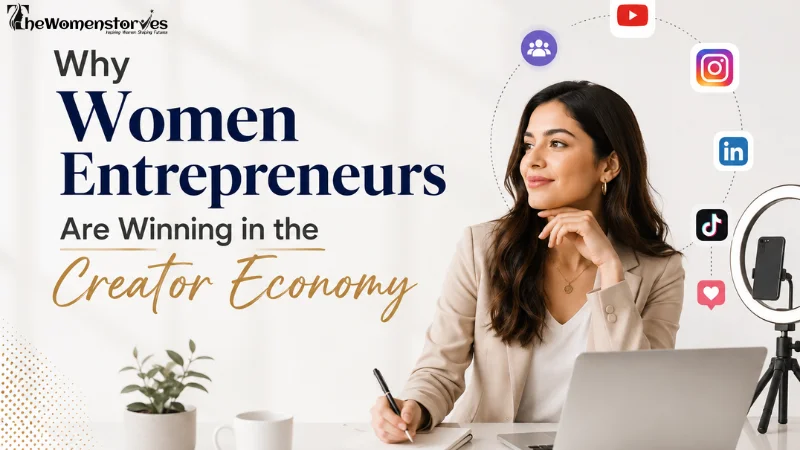
The definition of entrepreneurship is changing rapidly. Traditional business models that once depended heavily on office spaces, corporate structures, and large investments are being replaced by a more digital, flexible, and personality-driven economy. At the center of this transformation is the creator economy, a space where influence, expertise, storytelling, and community have become some of the most valuable business assets.
Among the strongest forces shaping this new era are women entrepreneurs.
Across industries, women are building businesses that feel more personal, authentic, and emotionally connected to audiences. They are no longer waiting for opportunities through traditional systems. Instead, they are creating their own platforms, building direct relationships with consumers, and turning digital visibility into long-term business growth.
The creator economy has opened a new path where creativity and entrepreneurship work together. For many women, this shift has created opportunities that previously felt limited within conventional business environments.
A Shift from Corporate Identity to Personal Identity
One of the biggest reasons women are thriving in the creator economy is the growing importance of personal identity in business. Consumers today are less interested in distant corporate messaging and more drawn toward real people, genuine experiences, and relatable stories.
Women entrepreneurs have adapted naturally to this shift.
Rather than focusing only on selling products or services, many female founders are building brands around trust, authenticity, and meaningful engagement. Their audiences often connect not only with what they offer, but also with who they are, what they stand for, and how they communicate.
This human-centered approach has become a major advantage in digital business.
Modern consumers want transparency. They want to support brands that feel approachable, honest, and emotionally relevant. Women-led businesses are increasingly succeeding because they understand how to build these deeper connections.
The Rise of Personal Branding
The creator economy has also transformed personal branding into a powerful professional tool. In today’s digital landscape, visibility often matters as much as expertise.
Women entrepreneurs are using platforms like LinkedIn, Instagram, podcasts, and digital media to establish authority within their industries. Instead of relying solely on traditional advertising, they are building influence through storytelling, thought leadership, and consistent audience engagement.
This visibility creates opportunities far beyond social media recognition. It leads to partnerships, collaborations, speaking opportunities, business growth, and stronger customer trust.
The ability to combine professional expertise with authentic communication is becoming one of the defining strengths of modern women entrepreneurs.
Community Is Becoming More Valuable Than Audience Size
Another reason women are excelling in the creator economy is their ability to build strong communities rather than simply attract followers.
The digital economy is increasingly driven by trust and long-term engagement. People want to feel connected to the brands and creators they support. Many women entrepreneurs understand this deeply and focus on creating spaces where audiences feel heard, valued, and included.
This community-driven approach often creates stronger loyalty and more sustainable business growth compared to traditional marketing-focused models.
Women-led businesses are increasingly succeeding because they prioritize relationships over transactions. In many cases, their audiences become long-term supporters rather than short-term customers.
Flexibility Has Changed the Entrepreneurial Landscape
The creator economy has also redefined how businesses are built and managed. Traditional entrepreneurship often demanded significant capital, physical infrastructure, and rigid operational systems. Digital business models have lowered many of those barriers.
Today, women can build global brands directly from their homes, launch businesses independently, and create income streams through content, expertise, and digital services.
This flexibility has been especially important for women seeking careers that align with both professional ambitions and personal priorities. The ability to build businesses with greater control over time, creativity, and lifestyle has made entrepreneurship more accessible than ever before.
At the same time, digital platforms have created opportunities for women to establish influence within specialized industries and niche markets without depending entirely on traditional gatekeepers.
Authentic Storytelling Has Become a Business Advantage
Storytelling is now one of the most powerful forms of modern marketing, and many women entrepreneurs are using it exceptionally well.
Instead of relying on overly polished corporate messaging, women creators often share experiences, lessons, challenges, and personal insights in ways that feel genuine and relatable. This authenticity helps audiences form stronger emotional connections with their brands.
In the creator economy, trust has become a form of currency. Consumers are more likely to support businesses that feel human and transparent. Women entrepreneurs who communicate openly and authentically are often able to build stronger credibility in highly competitive digital spaces.
This shift is changing how brands grow online. Success is no longer driven only by advertising budgets. It is increasingly driven by connection, relatability, and trust.
A New Era of Modern Entrepreneurship
The success of women in the creator economy reflects a broader transformation happening across business and culture. Entrepreneurship is becoming more creative, more flexible, and more human-centered.
Women are leading this shift by building businesses that combine innovation with authenticity. They are proving that influence can be built through expertise, that communities can become powerful business ecosystems, and that personal brands can evolve into globally recognized ventures.
More importantly, they are reshaping the idea of what entrepreneurship looks like in the digital age.
The creator economy is no longer simply about content creation. It is about ownership, independence, visibility, and the ability to build meaningful businesses through direct connection with audiences.
As this economy continues to evolve, women entrepreneurs are likely to remain among its most influential leaders, redefining success through creativity, trust, and modern digital leadership.
Related Articles:-