

Publish: April 07, 2026
Category: Technology
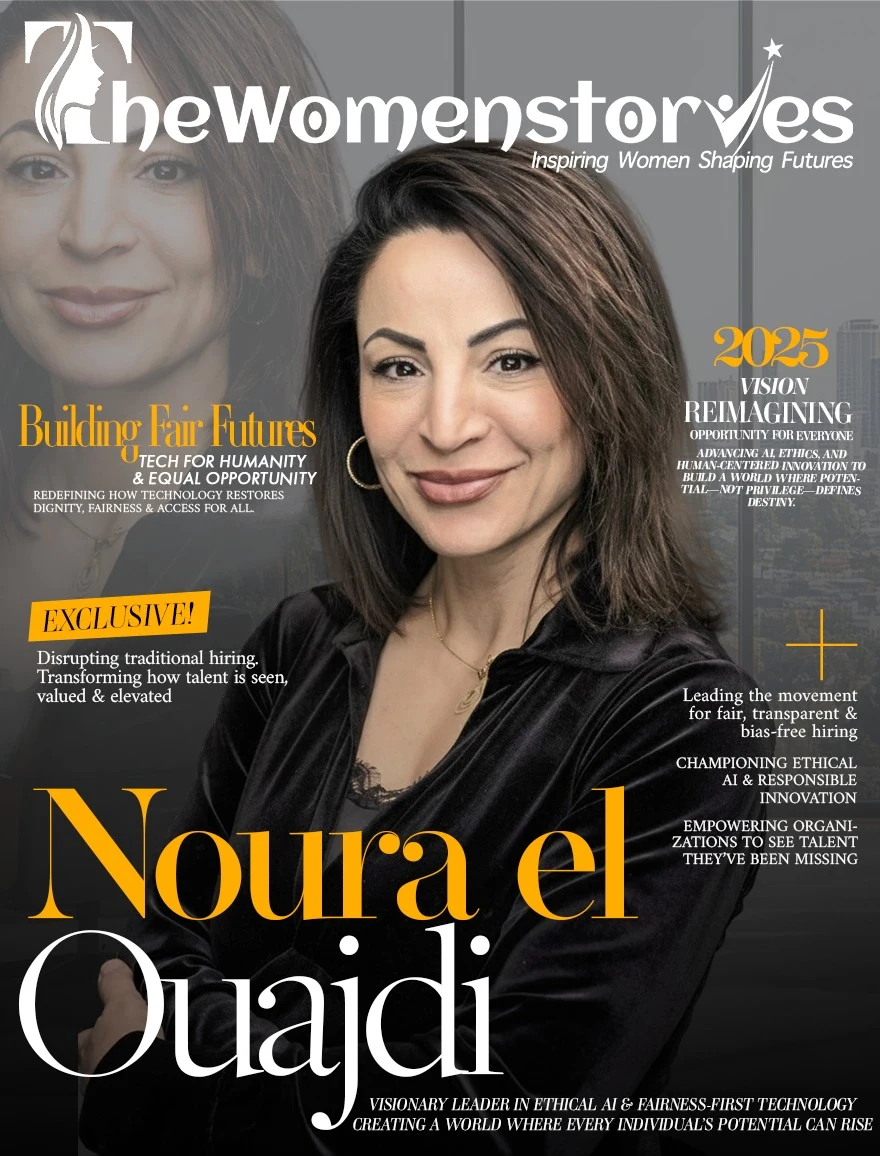
Hiring is one of the few critical systems still operating without a system, at a time when the labor market is changing faster than ever.
As roles evolve, skill demands shift, and candidate volumes increase, organizations continue to rely on fragmented processes, subjective judgment, and outdated signals like CVs. What works at small scale breaks down under pressure. Decisions become inconsistent, difficult to explain, and increasingly risky.
For Noura El Ouajdi, this is not a marginal inefficiency. It is a structural flaw.
Her work is grounded in a clear premise: hiring does not fail because of people. It fails because there is no system guiding the decision.
With ObjectivEye, she is building exactly that system.
“I grew up as the daughter of first-generation immigrant workers, in an environment shaped by resilience and a strong belief in human potential.”
From an early age, Noura recognized a fundamental imbalance:
talent is universal, but opportunity is not.
Rather than approaching this as a social issue alone, she developed a different lens over time. During her work across digital transformation and AI-driven environments, she consistently encountered the same underlying problem:
systems that were expected to scale decisions about people were not designed as systems at all.
Her work focused on bridging the gap between research, technology, and real-world implementation, translating complex insights into structures organizations could actually use.
“What I observed repeatedly was not a lack of talent, but a lack of structure in how decisions about talent were made.”
Founding ObjectivEye was not a departure from that work. It was its logical continuation: moving from enabling innovation within existing systems to redesigning the system itself.
Hiring today operates under increasing pressure.
Organizations need to make faster decisions, handle larger candidate volumes, and meet rising expectations around fairness, transparency, and compliance. At the same time, roles are changing faster than traditional job descriptions can capture.
Yet most hiring processes remain unchanged.
Recruiters work with incomplete information, rely on subjective interpretation, and are constrained by time. As a result, a significant share of qualified candidates is never meaningfully evaluated, while organizations continue to face delays, mis-hires, and inconsistent outcomes.
Scaling hiring, in its current form, often means scaling risk.
ObjectivEye was not designed as a tool to support hiring, but as a system to structure decision-making at scale.
Instead of optimizing existing workflows, it redefines how decisions are made:
● Structured criteria
Roles are defined using standardized skill frameworks, creating a shared language across teams and organizations
● Capability over background
Candidates are assessed on what they can do, rather than where they come from
● Explainable decisions
Every outcome is transparent, traceable, and can be justified
● Consistency at scale
The same decision logic applies across roles, teams, and contexts
Underlying this approach is an AI-driven system that translates roles into structured skill profiles, aligns candidate capabilities using standardized frameworks, and ensures that decisions are both consistent and auditable.
This positions ObjectivEye not as a recruitment solution, but as a new layer in workforce systems:
a form of decision infrastructure for talent.
It shifts hiring from:
“Who feels like the best candidate?”
to:
“Which competencies support this decision, and how can we prove it?”
“I am most proud of turning ObjectivEye from a vision into a working system used in collaboration with governments and regulated organizations.”
Building such a system required more than an idea. It required translating principles into operational structures that organizations can apply in practice, under real constraints.
Today, ObjectivEye is being piloted in environments where consistency, transparency, and accountability are essential.
Early implementations show a clear shift:
organizations begin to see talent differently, not through background or assumption, but through demonstrated capability.
“For me, the most meaningful outcome is when talent that was previously overlooked becomes visible, fairly and consistently.”
A key challenge lies not only in technology, but in existing structures.
Most organizations are still built around hiring processes designed for a different era, one with less complexity, lower volume, and fewer regulatory demands.
Transitioning from process-driven to system-driven decision-making requires a fundamental shift in how organizations think about control, responsibility, and accountability.
There is also a narrative challenge.
“Discussions about inequality can quickly become personal or emotional. I made a conscious decision to anchor everything in structure, data, and measurable outcomes.”
This shift reframes the conversation:
from intention to design,
from opinion to evidence.
It reinforces a core principle:
fairness cannot be delegated to individuals. It must be embedded in the system.
Noura envisions a future where decisions about people are no longer based on interpretation, but on structured evidence.
In this future:
● CVs are no longer the primary signal
● subjective judgment is supported, not replaced, by systems
● decisions are transparent, explainable, and auditable
AI does not amplify bias, but helps reduce it by enforcing consistency and structure.
Hiring becomes more than a process.
It becomes a governed system, one that organizations can rely on, scale, and defend.
“Purpose keeps me focused.”
Her motivation is both personal and systemic. It is rooted in the belief that systems can and should be designed to distribute opportunity more fairly.
Her children serve as a daily reminder of that principle:
that growth is easier when the system around you is fair.
“A level playing field does not guarantee outcomes. But it gives every individual the dignity of being seen for what they are capable of.”
● Lead from clarity, not perfection
● Build systems, not just ideas
● Turn your values into action
“You don’t need permission to change the system you operate in. What you need is the discipline to redesign it.”
What Noura El Ouajdi demonstrates is that fairness is not a matter of intention, but of system design.
In a world where labor markets are becoming more complex and decisions more consequential, the ability to structure, explain, and scale those decisions will define the next generation of organizations.
Her work shows that technology, when designed with precision and accountability, can move beyond efficiency and become a foundation for more consistent, transparent, and fair decision-making.
Not by changing people.
But by redesigning the system through which decisions about people are made.
More Features:-




Inside Noura El Ouajdi’s Vision for Redesigning Hiring in a Rapidly Changing Labor Market
From Corporate Leadership to Empowering Voices: The Journey of Ishara Saldin
The Quiet Strength of Leadership: Natalie Conde’s Path in Healthcare
Leading with Depth: Aurelia Gooden on Intelligence, Innovation, and Inclusion
Purpose Beyond Profession: How Noelene Kotschan Is Saving Lives
A Life of Service: The Journey of Dame Dr. Georgiana Farrugia Bonnici
The Power of Co-Creation: Inside the Visionary Journey of Sasha Taktikou White
Rosalie M. Pañares: The Woman Behind the Wheel of Disruption

The Power Within: Charlotte Cheetham’s Mission to Empower Women
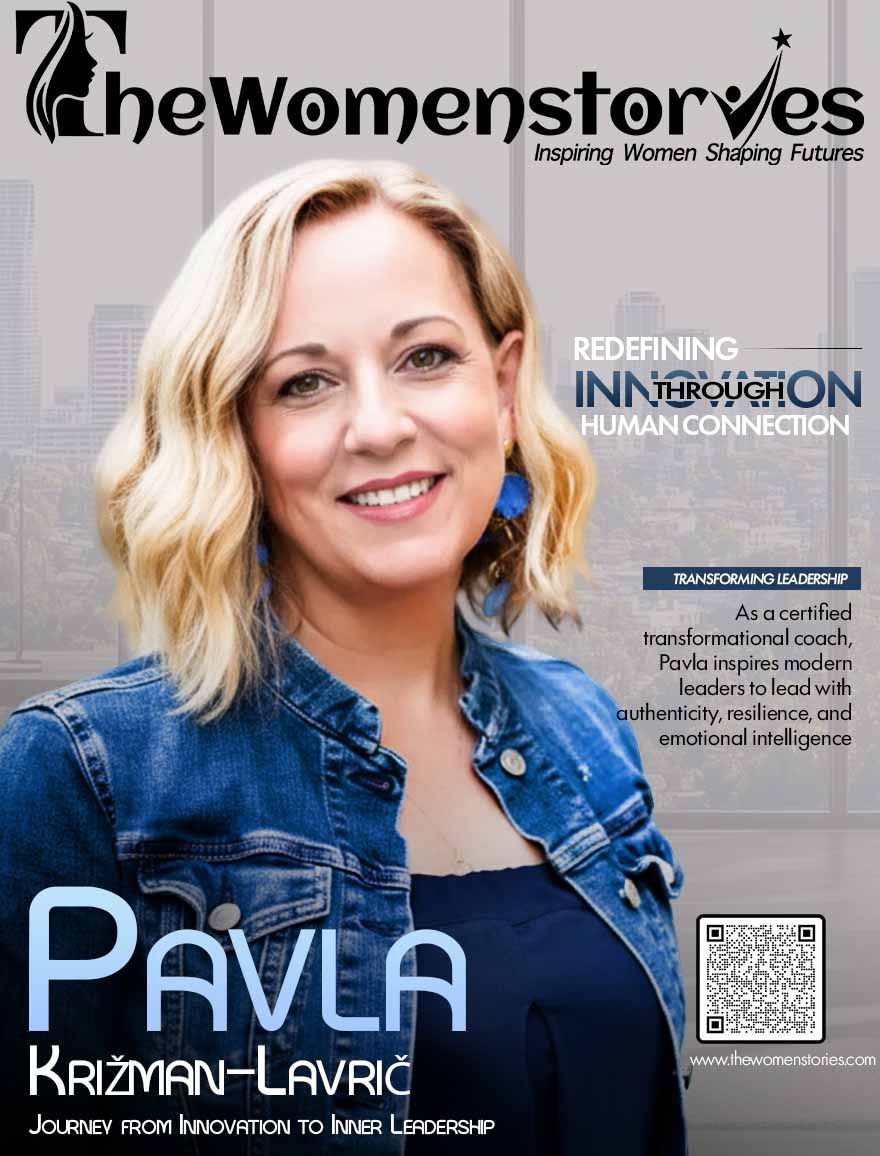
Pavla Križman-Lavrič’s Journey from Innovation to Inner Leadership
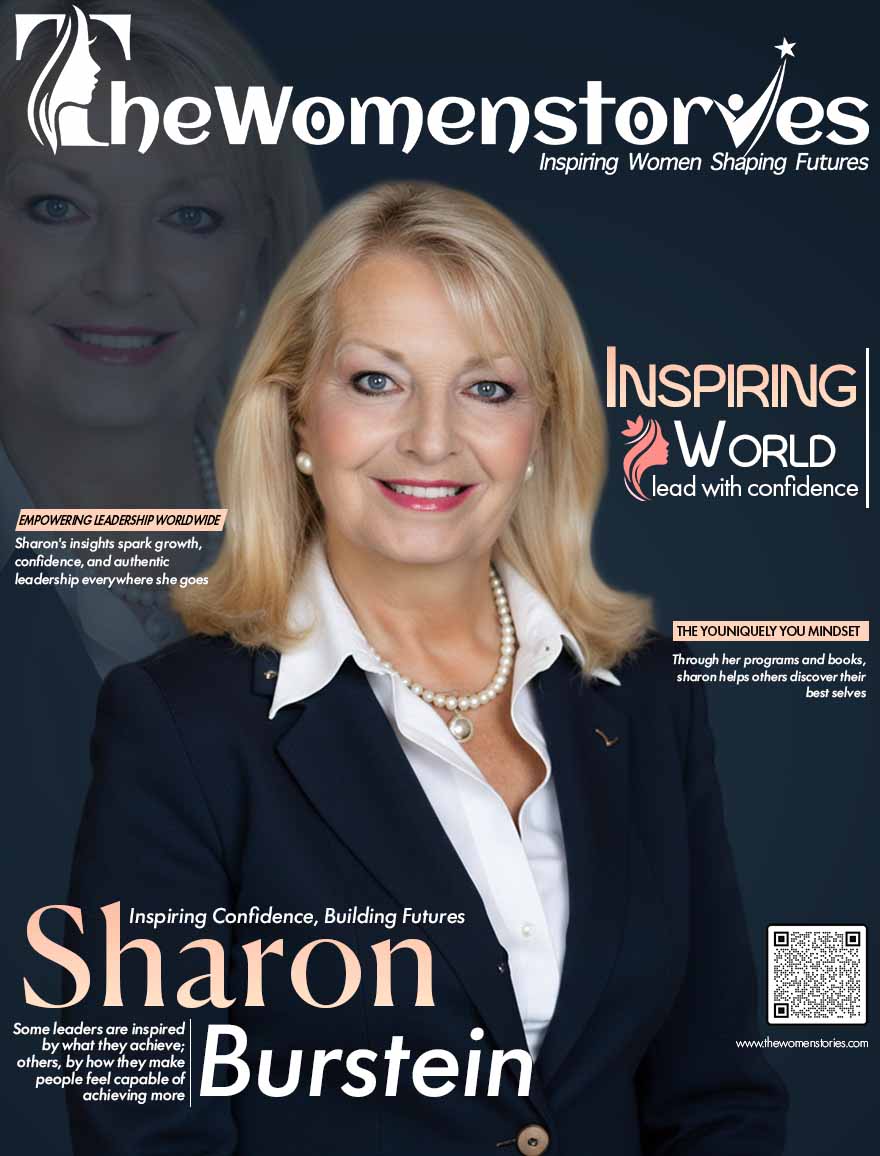
Inspiring Confidence, Building Futures: The Story of Sharon Burstein

The Voice Behind Every Diagnosis: Dr. Rawia Mubarak Mohamed’s Story

The Spark Behind Pink Diamond: Nada Chabir’s Journey of Passion, Persistence, & Purpose

From Challenges to Change: Hanan Al-Shayeb’s Legacy in FinTech and Beyond

Annina Alexis Fedorkova: Filmmaking with Heart, Truth, and Purpose
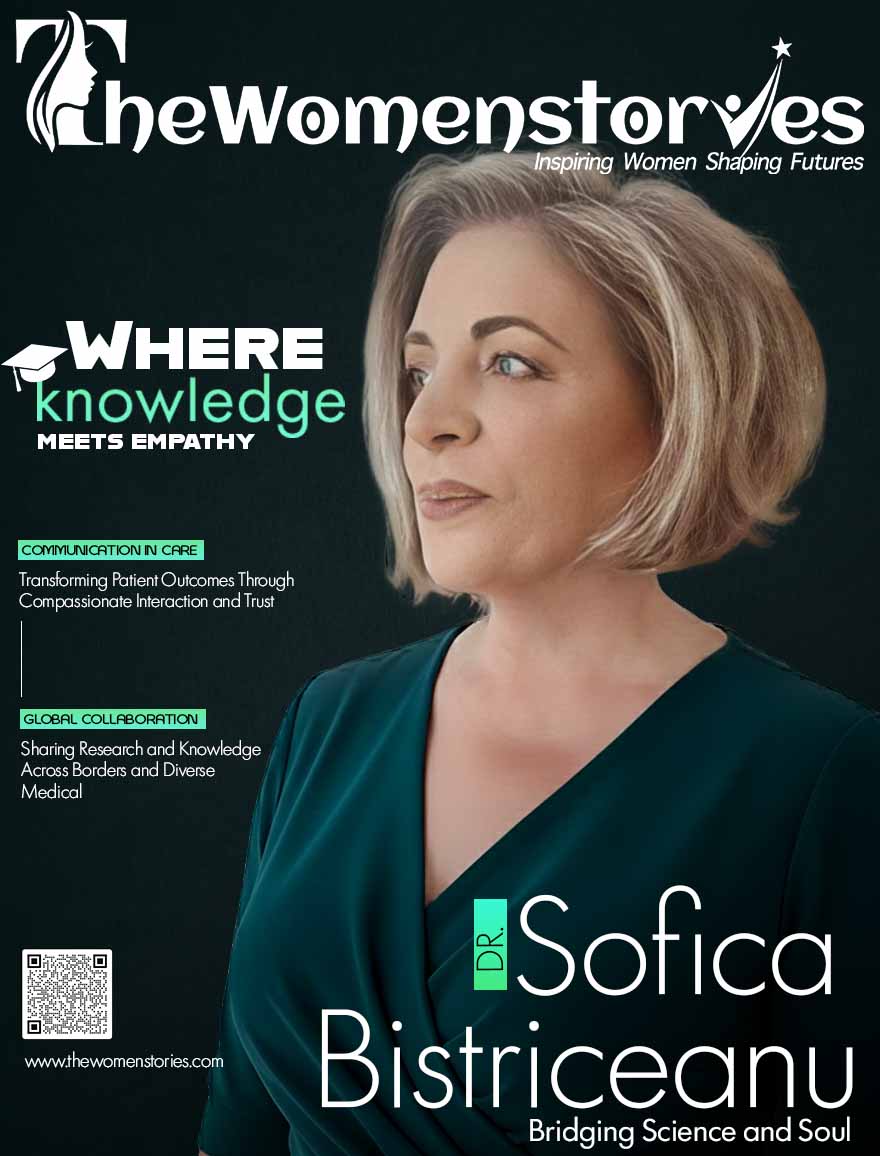
Bridging Science and Soul: Dr. Sofica Bistriceanu’s Legacy in Healthcare and Literature

Inclusive Beauty, Global Vision: The Leadership of Chithra Kannan
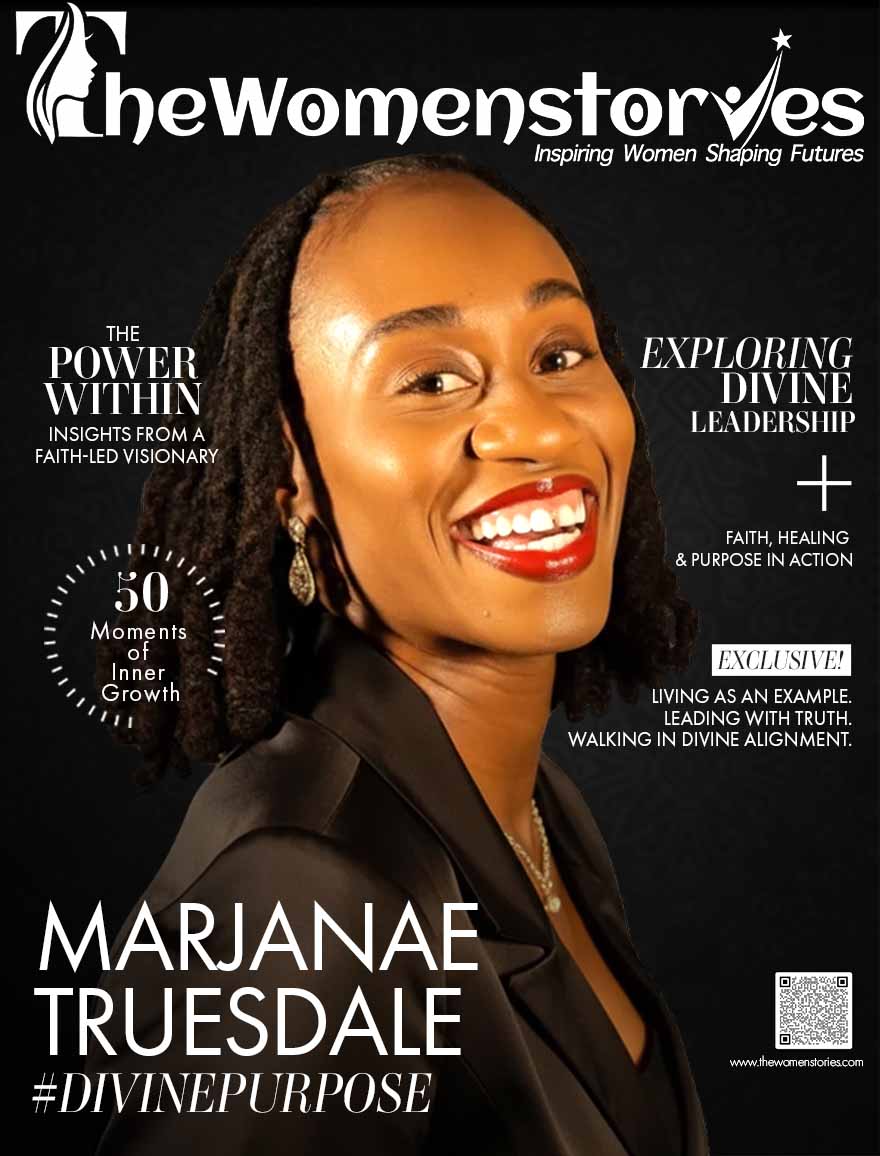
Walking in Divine Alignment: The Inspiring Journey of MarJanae Truesdale

Empowering Beauty, Empowering Women: The Journey of Alisha Mccarroll

Razan Al Fahoum’s Journey as a Top Woman in Exhibition and Interior Design